<body><script type="text/javascript"> function setAttributeOnload(object, attribute, val) { if(window.addEventListener) { window.addEventListener('load', function(){ object[attribute] = val; }, false); } else { window.attachEvent('onload', function(){ object[attribute] = val; }); } } </script> <div id="navbar-iframe-container"></div> <script type="text/javascript" src="https://apis.google.com/js/platform.js"></script> <script type="text/javascript"> gapi.load("gapi.iframes:gapi.iframes.style.bubble", function() { if (gapi.iframes && gapi.iframes.getContext) { gapi.iframes.getContext().openChild({ url: 'https://www.blogger.com/navbar/7857172354757343183?origin\x3dhttp://regentsec-fnn.blogspot.com', where: document.getElementById("navbar-iframe-container"), id: "navbar-iframe" }); } }); </script>
Thursday, September 24, 2009

SALT

Function Of Salt :

  1. make the contractions of muscles better.
  2. enable liquids in our body to flow better.
  3. helps the transmission of the nerve system.

Effects Of Excessives Salt :

  1. high blood preasure.
  2. heart and kidney problems.

Foods That High In Salts :

  1. instant noodles - processed food
  2. fishball noodles - eating out dish
  3. nasi lemak - homecooked food
  4. salted eggs - others
  5. salted nuts - processed food

How To Reduce Salt :

  • When shopping for food ...

Instant Noodles

-look at labels for a healthier choice

  • When eating out ...

FishBall Noodles

-i will ask the shop owner to reduce the amount of salt.

  • when cooking at home...

Nasi Lemak

-i would reduce the amount of salt.

Done By : Nur Haryani , Nur Khairunnisa , Nurdarina , Shalini (:


6:38 PM

Tuesday, September 22, 2009
SUGAR

Sugar is what we use for beverages such as coffee and tea.
Lets list functions of Sugar.
*Facilitate the rising of dough by speeding up the growth of yeast
*To preserve jams, jellies and confectionery by discouraging the growth of micro-organisms
*Improving the texture of frozen desserts , eg. ice cream

Sugar is required as a source of energy for our body. Simple forms of carbohydrates, which include fructose, glucose, galactose, maltose and sucrose. Foods that are high in sugar include ice cream, candies, chocolate cake and bubble tea !

Effects of EXCESSIVE consumption of Sugar.

Excessive consumption of sugar ------> weight gain if sugar is not used fully. The excess sugar will be converted to fat, and stored under the skin and around body organs. ------> OBESITY causes health problems such as diabetes !

Tips to reduce sugar intake
*Use less sugar when preparing beverages such as coffee and tea.
*Cut down on sugar-laden foods such as soft drinks
*Avoid eating too much sweet sauces
*Choose products with "no sugar added"
*Substitute sugar with other alternatives

Done by : Farah , Sarafina , Atikah , Amreena .

3:51 PM

Salt

- Functions

  • Aids the contraction of muscles
  • Regulate body fluid
  • Facilates the nerve system

- Effects

  • High-blood pressure
  • Kidney problems

- Foods rich in salt

  • Processed Food => Potato chips/French Fries
  • Hawker centre => Cheese
  • Cooking at home => Cup Noodles

- Ways to reduce the intake of salt

  • Processed food => Check for lower salt content from other brands
  • Hawker centre => Ask for removal or reducement
  • Cooking at home => Change salt to other alternatives

Done By =) SinYi, Maisha,Aqilah,li xinyi


3:39 PM

Wednesday, September 16, 2009
Fats
Function of fats
-Keeps us warm by providing a laqyer of insulation under our skin.
-Cushioning our bones and protecting our organs
-An important source of energy
-Facilitates our body absorb fat-soluble vitamins
Effects of excessive consumption of fats
-Heart attack , high blood pressure and various sickness or diseases
-Obesity
-Clotting of blood vessels and veins
Food that are high in fats
-Hamburger , Fries
-Roti prata,Char kway teow,Fried carrot cake
-Nasi lemak
How to reduce consumption of fats
-When eating out , request for less oil
-Looks for low fats products when shopping for processed food [ look at food label ]
-Choose to use vegetable oil with less trans fat and saturated fats
Done by - Kaishing , Wendy , Calista , Adeline
2:50 PM

Monday, September 14, 2009
Function of salt:
-Aids the contraction of muscles
-Regulate body fluid
-Facilate the nerve system
Effects of excessive consumption of salt:
-High-blood pressure
-Kidney problems
Foods that are rich in salt:
-Processed food>Potato chips
-Hawker center or food center>Roast duck
-When cooking at home>Nasi Lemak
How to reduce the intake of salt:(As above)
-Processed food>Check for lower salt content and compare it with other brands
-Hawker Center or food center>Ask for no gravy
-When cookin at home>Change salt to other herbs.

Labels: , , , ,


11:52 AM

Thursday, July 30, 2009
Organic food


Organic farmers and food producers grow and produce food without using synthetic chemicals (such as pesticides or artificial fertilisers). They do not use genetically modified (GM) components, or expose food to irradiation. Animal welfare and environmental sustainability are important issues for organic farmers. The term organic can also cover animal produce, such as eggs, which are free range rather than from caged (battery) hens. Types of organic produce available include fruit and vegetables, dried legumes, grains, meat and meat products, dairy foods, eggs, honey and some processed foods. Strict certification rules Organic farms are only certified after they have been operating according to organic principles for three years. However, the use of the word ‘organic’ is not regulated in Australia, so it’s important to make sure that produce you buy comes from certified growers and producers.
Organic farmingAnimals raised using organic methods are treated humanely and with respect; for example, chickens are free range and not kept in cages and cows are not kept in feed lots. Animals are also not fed any growth-regulating drugs, steroids, hormones or antibiotics. The animals may be treated with vaccines to prevent disease.Organic farming is also concerned with protecting the environment and working in harmony with existing ecosystems: for example, conserving water, soil and energy, and using renewable resources and natural farming cycles. Traditional farming methods are often used, such as rotating crops to prevent depleting the soil of nutrients. Pesticides and other chemicalsOrganic foods are not necessarily completely chemical free, but the pesticide residues are considerably lower than those found in foods produced with synthetic chemicals.Certain naturally occurring pesticides, including pyrethrins, light oils, copper and sulphur, together with biological substances such as Bacillus thuringiensis are permitted.It’s a growing industryThe Australian organic food industry is booming; it is currently worth around $200–$250 million per year domestically and a further $50–$80 million per year in exports with an expected annual growth of up to 60 per cent. Consumer demand is growing at a rate of 20–30 per cent per year, with retail sales increasing 670 per cent between 1990 and 2001–02. Reasons to buy organicSome people buy organic produce because they are concerned about pesticides, antibiotics or other chemical residues in food. Although pesticide residues in fruit and vegetables are monitored in Australia, they believe organic food is healthier. Others appreciate that organic foods promote a healthier and more sustainable use of the environment, and more humane treatment of animals. Also, some people worry about the possible long term health, economic and environmental consequences of GM foods and prefer to support an industry that doesn’t use GM techniques.Pesticides in AustraliaThe levels of pesticide residue in fruits and vegetables have been monitored in Australia for 30 years. Maximum limits for safe human consumption of pesticide residue include wide safety margins. However, there is always the chance that pesticides currently deemed to be safe may one day be revealed as hazardous to humans or to the environment. This was the case with DDT, which was once a widely used pesticide. Organic food outletsYou can buy organic food from:
Some supermarkets
Some green grocers
Queen Victoria Market
Health food shops
Some fresh food markets
The Internet
Certified organic retailers.Labelling concerns‘Organic-certified produce’ means the food was grown, harvested, stored and transported without the use of synthetic chemicals, irradiation or fumigants. While exported organic produce must meet the National Standard for Organic and Biodynamic Produce, there is no nationwide regulation to control the labelling of organic food sold in Australia. Suggestions on making sure the food you are buying is organically grown include:
If you are buying from an organic retailer, check for the Organic Retailers’ and Growers’ Association of Australia (ORGAA) notice, which should be prominently displayed.
Choose foods with the label ‘certified organic’ from one of the Australian Quarantine and Inspection Service (AQIS) accredited certifying organisations.
Check packaging for the grower’s name and certification number.
Don’t be fooled by packaging that claims the produce is ‘natural’ or ‘chemical free’ if the proper certification labelling is not displayed.Accredited certifying organisationsThe organisations classified by the AQIS as organic certifiers are:
Biodynamic Research Institute (Demeter)
Biological Farmers of Australia (BFA)
National Association for Sustainable Agriculture Australia (NASAA)
Organic Food Chain (OFC)
Organic Herb Growers of Australia (OHGA)
Organic Vignerons Association of Australia (OVAA)
Tasmanian Organic Producers (TOP).Organic food and nutrition There have been a number of studies comparing nutritional content of organic and conventionally grown plants and most have shown no significant differences in key vitamin and mineral contents. However, research has shown that, although the differences are small, some organic food has:
Lower nitrate levels
Higher vitamin C levels
Higher levels of selenium.Organic food can be more expensiveOrganic foods is often more expensive because production is more labour intensive and, without herbicides, pesticides and other chemicals, the yield is generally smaller. Biodynamic foodAustrian philosopher Rudolf Steiner pioneered biodynamic farming, which places strong emphasis on ecological harmony and environmental sustainability. Biodynamic food is grown with particular composts, preparations and natural activating substances.Organic food is better for the environmentExcessive use of chemicals and modern farming methods have led to a decline in soil fertility and an increase in salinity and blue-green algae in waterways over many years. Organic farmers try to minimise damage to the environment by using physical weed control and animal and green manure. Where to get help
Some supermarkets
Some greengrocers
Organic food retailers
Organic Federation of Australia Tel. (02) 9299 8016Things to remember
Organic farming is the production of food without the use of synthetic chemicals or genetically modified components.
Organic foods are not necessarily completely chemical free, but the pesticide residues will be considerably lower than those found in produce manufactured with synthetic chemicals.
Choose foods with the label ‘certified organic’ from one of the seven AQIS accredited certifying organisations.
Organic farming is better for the environment and more likely to be sustainable.You might also be interested in:Food - pesticides and other chemicals.Food labels explained.Genetically modified foods.

12:05 AM

Breakfast


Breakfast is considered an important meal because it breaks the overnight fasting period, replenishes your supply of glucose and provides other essential nutrients to keep your energy levels up throughout the day. GlucoseGlucose is the body’s energy source. It is broken down and absorbed from the carbohydrates you eat. In the morning, after you have gone without food for as long as 12 hours, your glucose levels have dropped. Your body compensates by releasing the glucose that has been stored in your muscle tissue and liver, called glycogen. Once all of the energy from the glycogen stores is used up, your body starts to break down fatty acids to produce the energy it needs. Without carbohydrate, fatty acids are only partially oxidised, which can cause reduced energy levels. So eating breakfast can boost your energy levels as well as your metabolism for the day.Essential vitamins, minerals and nutrientsBreakfast provides a significant proportion of the day’s total nutrient intake and offers the opportunity to eat foods fortified with nutrients such as folate, iron, B vitamins and fibre. Essential vitamins, minerals and other nutrients can only be gained from food. So, even though your body can usually find enough energy to make it to the next meal, you still need to top up your vitamin and mineral levels to maintain health and vitality.Skipping breakfastExtensive research in Australia and overseas has found:
Many children who skip breakfast are significantly heavier than those who eat breakfast.
Skipping breakfast can diminish mental performance. Breakfast helps learning, as you are better able to pay attention and are more interested in learning.
Eating high fibre breakfast cereals reduces fatigue.
Children who eat an inadequate breakfast are more likely to make poor food choices for the rest of the day and in the long term.
People who eat breakfast have more nutritious diets than people who skip breakfast. They also have better eating habits as they are less likely to be hungry for snacks during the day.‘Going without’ becomes more common with advancing age – approximately 15 per cent of teenagers and one-third of adults don’t eat breakfast. Why we skip breakfastSome common reasons for skipping breakfast include:
Not enough time
Too tired to bother
Wanting to spend the extra time dozing in bed
No readily available breakfast foods in the house.A healthy breakfast may reduce risk of illnessCompared to children who regularly eat breakfast, those who skip breakfast tend to consume fewer kilojoules overall and yet they experience the same rates of overweight and obesity. There are a number of theories for this. There is some evidence that large meals are more likely to lead to weight gain than smaller, more frequent meals. This is because excess kilojoules eaten during one sitting are stored as body fat, once the glycogen storage areas are full. People who skip breakfast are usually ravenous by lunchtime and tend to eat more to compensate. SnackingPeople who skip breakfast tend to nibble on snacks during the mid-morning. This can be a problem if those snacks are low in fibre, vitamins and minerals but high in fat and salt. Without the extra energy that breakfast can offer, some breakfast skippers feel lethargic and turn to coffee to get them through the morning. If you do skip breakfast, try a nutritious snack such as fresh fruit, yoghurt, a low fat muffin or a wholemeal sandwich to help you through that mid-morning hunger.Cultural differencesBreakfast is not considered a staple meal in all parts of the world. People in some cultures consume only two meals each day instead of three, and breakfast isn’t traditionally always one of them. Other cultures may consume a different style of breakfast in the morning such as warmed leftovers or egg dishes with breads, rice or noodles. These types of breakfasts also provide a good nutritious start to the day.Research is ongoing, but there doesn’t seem to be any harm in skipping breakfast if that has always been your preference. However, the nutritional content of your lunch and dinner must be sufficient to make up for the loss of breakfast.Breakfast foodsResearch has shown that schoolchildren are more likely to eat breakfast if easy-to-prepare breakfast foods are readily available at home. Some quick suggestions include:
Whole-wheat or wholegrain breakfast cereals such as wheat biscuits, muesli or bran cereals
Porridge – use quick oats
Fresh fruits
Wholemeal or multigrain bread to toast
Muffins or crumpets
Toast toppings, such as baked beans, eggs, cheese or spreads
Fruit or plain yoghurts
Fresh fruit juices
Low fat milk.Mid-morning snack timeSome people find that the thought of food first thing in the morning turns their stomach. If this is the case, switch your breakfast to morning tea or mid-morning snack time instead.Where to get help
Your doctor
An Accredited Practising Dietitian, contact the Dietitians Association of AustraliaThings to remember
A healthy breakfast has many health benefits.
Children who skip breakfast may lack sufficient vitamins and minerals including iron, calcium, zinc and vitamin B2.
Reasons for skipping breakfast include lack of time, lack of motivation and lack of available breakfast foods.You might also be interested in:Cereals and wholegrain foods.Eating tips for teenagers.Food variety and a healthy diet.Healthy eating tips.

12:04 AM

Us
Teacher In Charge - Ms Jocelyn Tay
Students In Charge -
Jocelyn Seow - 1-1
Piong Si Rui - 1-3
Niknoi - 1-3
Kai Shing - 1-4
Jasmine Poh - 1-5


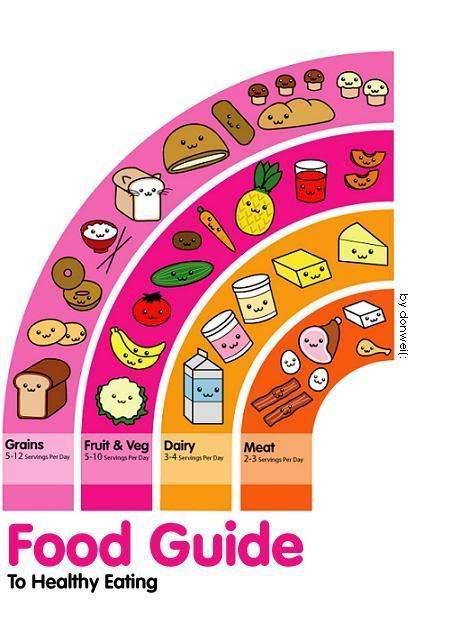
food guides
partial basecodes:jellyhearts*
image:donwei(:
taking away this little portion is also known as sinning!(: